


Some error occured while loading the Quick View. Please close the Quick View and try reloading the page.
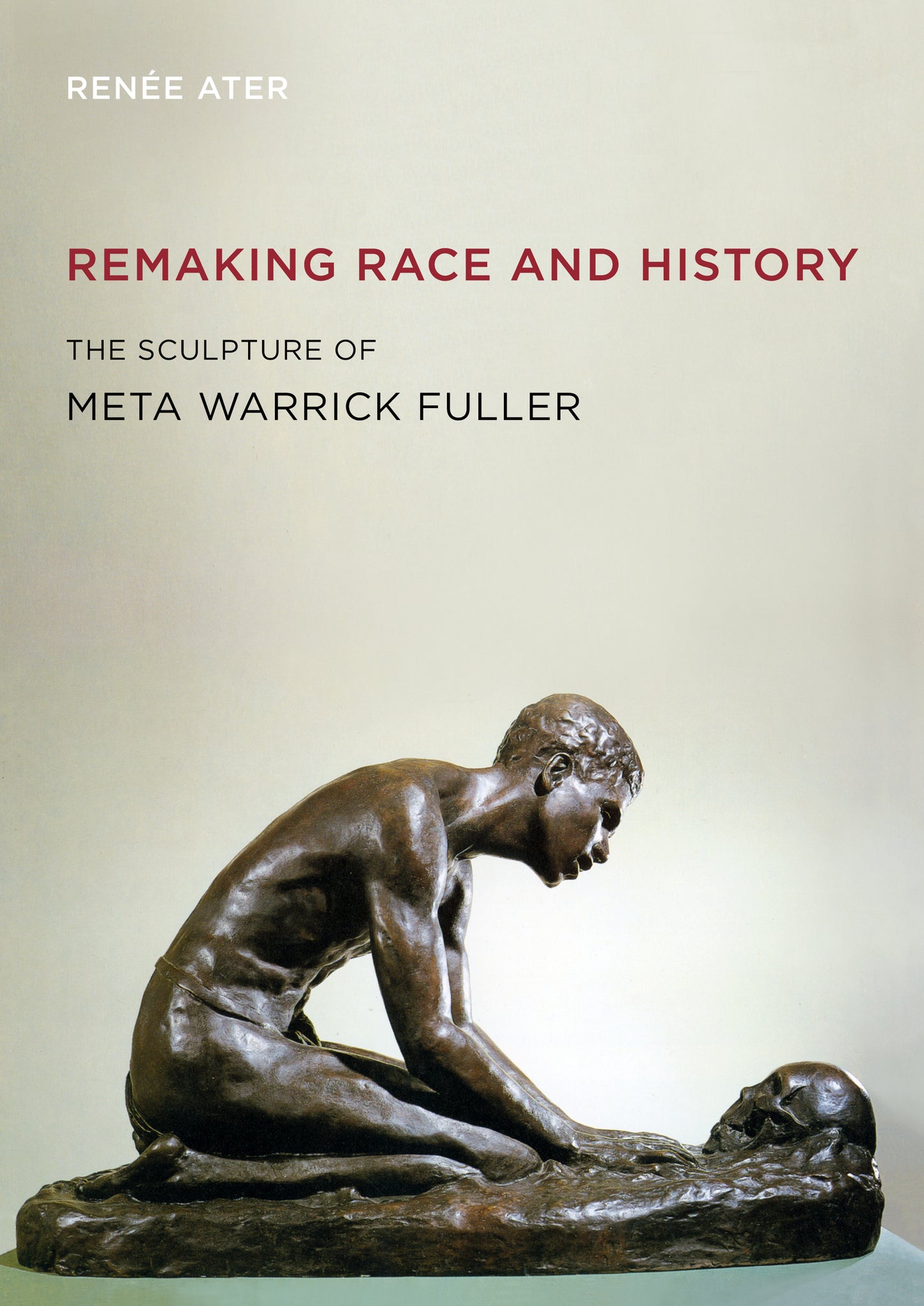
This beautifully written study focuses on the life and public sculpture of Meta Warrick Fuller (1877–1968), one of the early twentieth century’s few African American women artists. To understand Fuller’s strategy for negotiating race, history, and visual representation, Renée Ater examines the artist’s contributions to three early twentieth-century expositions: the Warwick Tableaux, a set of dioramas for the Jamestown Tercentennial Exposition (1907); Emancipation, a freestanding group for the National Emancipation Exposition (1913); and Ethiopia, the figure of a single female for the America’s Making Exposition (1921). Ater argues that Fuller’s efforts to represent black identity in art provide a window on the Progressive Era and its heated debates about race, national identity, and culture.

Price: $85.00
Pages: 214
Publisher: University of California Press
Imprint: University of California Press
Publication Date:
22 November 2011
Trim Size: 10.00 X 7.00 in
ISBN: 9780520262126
Format: Hardcover
BISACs:
“Recommended.”
Renée Ater is Associate Professor of American Art in the Department of Art History and Archaeology at the University of Maryland, College Park. She is also the author of Keith Morrison.
Introduction
1. “Foremost Sculptor of the Negro Race”
2. Segregation and Inclusion
3. Memory and Commemoration
4. Race and Americanization
Epilogue
Acknowledgments
Notes
Bibliography
List of Illustrations
Index
1. “Foremost Sculptor of the Negro Race”
2. Segregation and Inclusion
3. Memory and Commemoration
4. Race and Americanization
Epilogue
Acknowledgments
Notes
Bibliography
List of Illustrations
Index